The challenge
The challenge of the project was to synchronise app development with the readiness of the firmware and hardware.
Key challenges of the project:
- BLE Compatibility Making sure the app connects seamlessly with Bluetooth Low Energy (BLE) devices on iOS and Android took rigorous testing and debugging, because BLE behaviour varies between devices and operating system versions.
- Device Fragmentation Smartphones and BLE devices vary widely in hardware and software. Keeping compatibility and consistent performance across them all is technically demanding and time-consuming.
- Milestone Alignment Keeping every team on its milestones and deadlines required effective project management and continuous monitoring. Unexpected delays, such as customs transit, can have a significant impact on the timeline.
The process
The journey began with a Discovery and Design phase, in which L&L Present GmbH shared their expectations, objectives and customer insights with the Salt & Pepper team. This led to a comprehensive design for the development phase that followed, across firmware, mobile and back end.
UI/UX design process
- Research Thorough research tackled the UI/UX challenges and anchored a user-centric design approach, guided by insights gathered along the way.
- Design System A comprehensive design system gave a roadmap for adapting to evolving needs, and gave the development team clarity and efficiency.
- Prototyping Interactive prototypes served for user testing and validating assumptions, supporting informed decisions and stakeholder engagement.
- Cross-Platform Design A cross-platform design strategy met the platform-specific UX requirements, so the app serves iOS and Android users equally well, using each platform’s strengths.
Development process
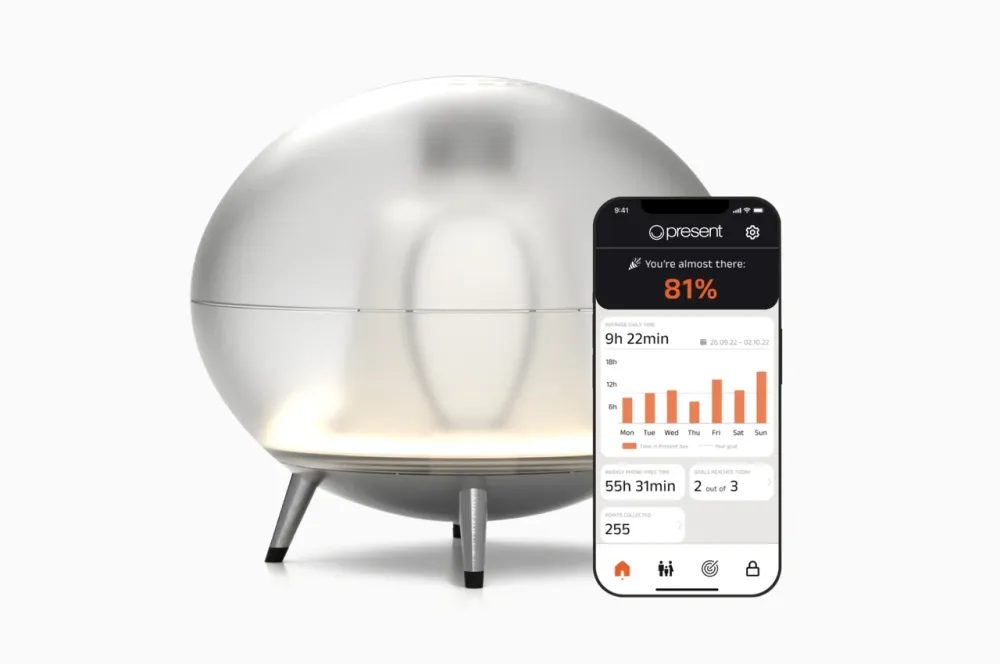
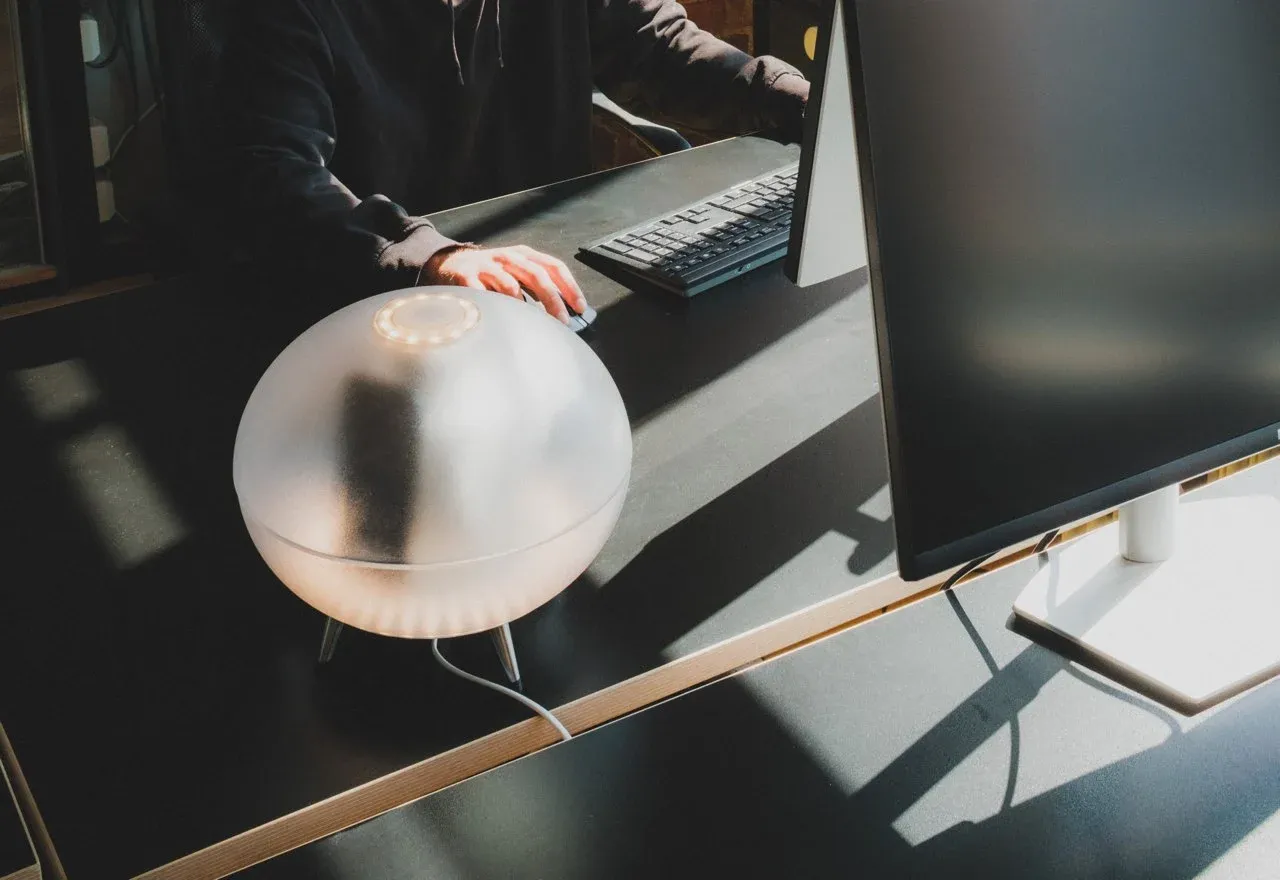
The project covered a scalable system architecture, a cross-platform mobile app in React Native and efficient firmware for the Oval smart docking station. A secure cloud infrastructure was set up on Google Cloud, and extensive QA and stress testing ensured reliability. The team worked in two-week SCRUM sprints, adapting quickly to feedback.
- System Architecture Design We designed the overall system architecture and chose the technology stack for a robust, scalable foundation: a flexible, future-proof solution for every current and planned function.
- Mobile App Development With React Native, we built a feature-rich app with a user-friendly interface and seamless control over the Oval, with consistent performance on iOS and Android.
- Firmware Development We created efficient, reliable firmware for the Oval: low-level code that manages the device and keeps communication with the mobile app smooth over Bluetooth Low Energy, with regular updates for new features and improvements.
- Cloud Infrastructure Setup A secure, scalable cloud infrastructure on Google Cloud, with Firebase and Cloud Functions, supports data management, streamlined firmware releases and robust DevOps practices.
- Extensive QA and Stress Testing Rigorous testing ensured the app works with the Oval on iOS and Android, and stress testing on the device guaranteed a stable experience under various conditions.
- Agile Way of Working With a SCRUM methodology, we worked closely with the L&L Present GmbH team in two-week sprints. Regular reviews and demos kept stakeholders aligned and let us improve the product continuously.
QA and testing
QA for the Oval covered detailed requirement analysis, comprehensive test planning and careful testing of every app and firmware feature. The app went through unit, integration, functional, usability and compatibility testing, and the firmware was tested for stability, performance and BLE connectivity.
- Comprehensive Quality Assurance Thorough requirement analysis led to detailed test plans and test cases covering every functional and non-functional aspect of the app and firmware.
- Robustness and Usability Unit and integration testing verified each component alone and together, functional testing checked the features worked as intended, usability testing assessed the interface, and compatibility testing confirmed consistent performance across environments.
- Firmware Testing Stress testing showed how the firmware handles extreme conditions and continuous use, including BLE communication between the docking station and the app. Iterative testing cycles found and resolved issues promptly.
The outcome
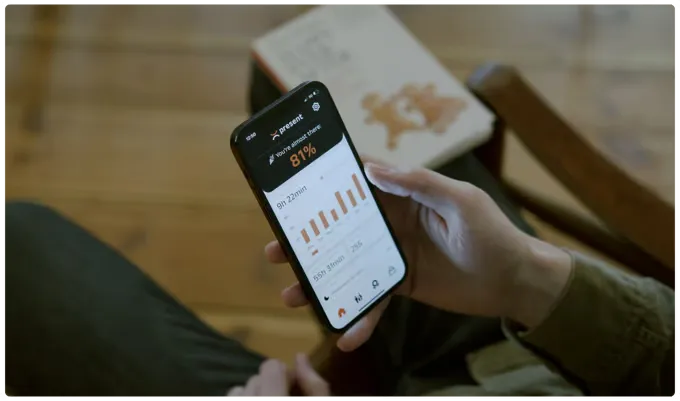
The Present app rewards smartphone-free time through simple gamification. Building it meant synchronising the hardware’s capabilities with the software’s possibilities, so the solution meets users where they are. The project drew on capabilities across our whole product development lifecycle, which let us develop and test the app extensively, so the final product meets the client’s demands and users’ expectations.