
High intensity moments
One of the most intense moments came after our first internal testing release, when we discovered that some users were being randomly logged out of the app. After improving our observability and running A/B tests, the team traced the issue to a race condition at app startup, made worse by memoized network calls. When users reopened the app with a very weak signal, the cached failed request was incorrectly treated as an authentication failure, causing their tokens to be deleted.
The team quickly fixed the issue by improving connection checks, adding a retry mechanism and removing memoization from the token service. The update was deployed instantly through CodePush, without requiring a new app release, resolving the problem before the public launch.
The challenge
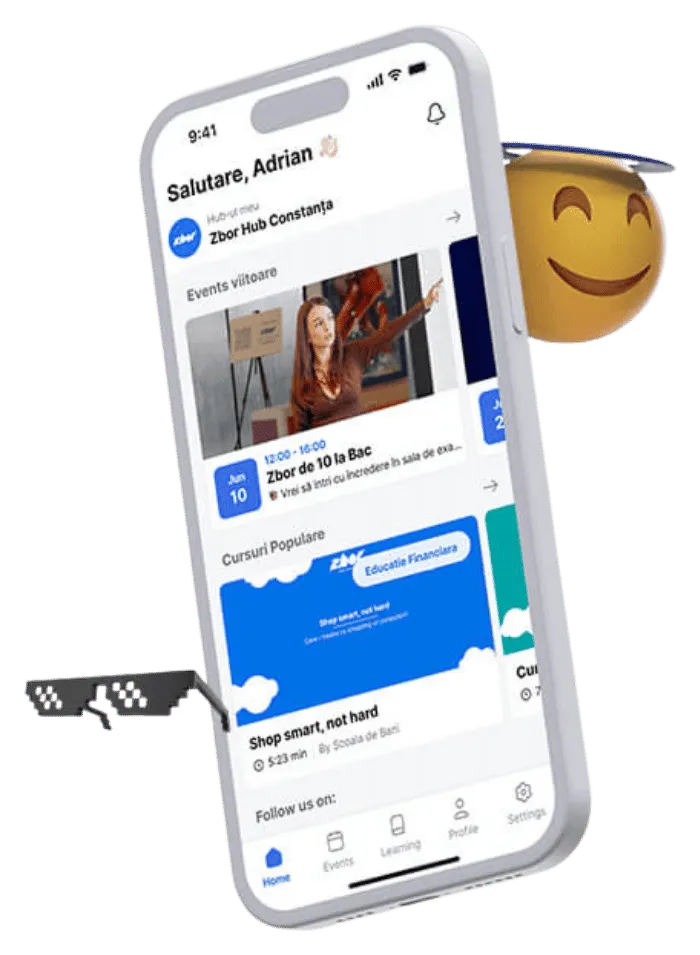
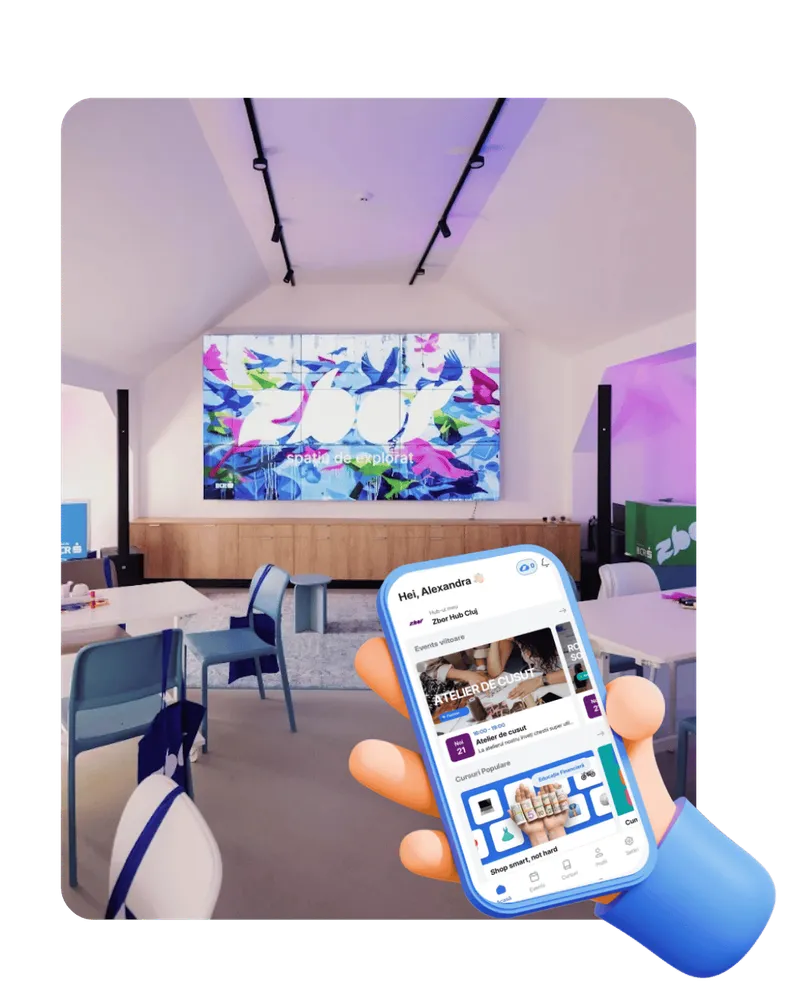
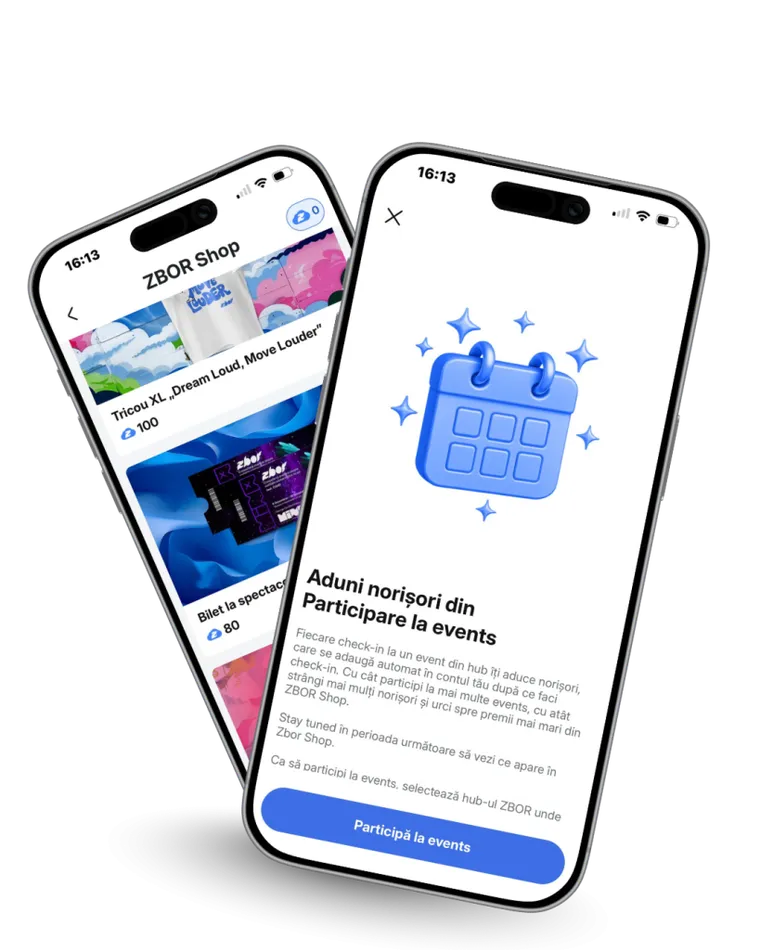
One of the main challenges of the project was understanding how an educational app should engage a young audience, mainly high school and university students. The team needed to find the right balance between learning and gamification, making sure the experience felt both educational and motivating. This required researching youth learning behaviours and integrating features such as exploring and attending events at a preferred Zbor Hub, progress tracking, QR code check-in and a points system to encourage continuous engagement.
At the same time, the project had a strict deadline: delivering a fully functional release by September 2025, with development starting in April of the same year.
Additional challenges included developing both the mobile app for users and the web admin platform for hub managers within tight deadlines. The learning module was particularly complex, because admins needed to upload large video lessons. The team split videos into smaller chunks and applied compression and optimisation, which significantly reduced file sizes and storage requirements while keeping performance stable and loading fast across all devices.
The process
In March 2025, the Zbor Hubs team reached out to Salt & Pepper with a request to develop a digital ecosystem from scratch, planned for launch at the beginning of September. The goal was a digital platform that would connect and support their rapidly growing network of youth hubs across Romania.
The collaboration began with a Discovery phase, during which the designer and project team met the Zbor Hubs representatives in Bucharest to align on objectives, user needs and technical priorities. Together, they turned the initial vision into a clear roadmap of features and functionality.
The Design phase started immediately after discovery and lasted about one month. Meanwhile, the development team began building the infrastructure in parallel, even before the design was complete, so the project stayed on schedule and the technical foundations were ready in advance.
A pre-established design system with ready-to-use UI components was adopted to accelerate both design and implementation, ensuring visual consistency and smooth integration between the front-end and back-end teams. Through constant collaboration and agile iteration, the Zbor app was delivered on time, meeting all planned requirements and laying a strong foundation for future releases.
UI/UX design process
- Research The design phase began with research into the target audience: young people, mostly high school and university students, who need to be both informed and constantly engaged. The team explored how to combine learning and gamification so the app would be interactive, rewarding and fun.
- Design System The project used an existing company design system that already included pre-coded UI components. This allowed a faster design-to-development handoff, ensured visual consistency and made integration smoother for the development team.
- Prototyping Given the fast-paced timeline, the prototypes were functional rather than pixel-perfect. They served to validate flows and gather user feedback through on-site experiments at Zbor Hubs in Cluj-Napoca and Ploiești, helping the team fine-tune the experience for the final version.
- Cross-Platform Design A cross-platform design approach considered platform-specific UX requirements. The app adapts to iOS and Android, delivering an optimised experience while using each platform’s strengths for usability and engagement.
Development process
- Infrastructure Setup Development began with a robust back-end infrastructure, defining all the APIs and endpoints that connect the mobile app, the web admin and the database. This early setup accelerated the following phases and gave the platform a stable foundation to scale.
- Mobile App Development The mobile application was developed using React Native, ensuring full compatibility with both iOS and Android, for users accessing events, lessons and gamified features across Zbor Hubs. The app architecture was optimised for fast loading times and real-time updates.
- Cloud Infrastructure Setup A secure and scalable cloud infrastructure was built using Google Cloud Platform, Firebase and PostgreSQL and MongoDB databases. The system scales dynamically with real user activity, optimising performance while avoiding unnecessary costs for the client.
- QA Testing Quality assurance was carried out by the internal development team and an external QA specialist, ensuring stability, smooth functionality and data integrity across devices before the public release in September 2025.
- Client Relationship Collaboration with the Zbor Hubs team was clear and consistent. We used Slack for daily communication, and the Zbor team joined our 15-minute daily syncs to review progress, clarify requirements and align expectations. A shared feedback document centralised every comment from the client, making revisions easy to track.
- Team Relationship The internal team worked with a structured process and clear ownership. Each daily sync covered task updates, priorities, design and UX reviews and blockers. Urgent issues were escalated quickly, and milestones such as internal releases and launch preparation were handled efficiently.
The outcome
The project was delivered on time and is now used across 9 Zbor Hubs in Romania’s major cities. Within the first five months after launch, the app reached over 15,000 users, becoming a central digital platform for learning, events and youth engagement.
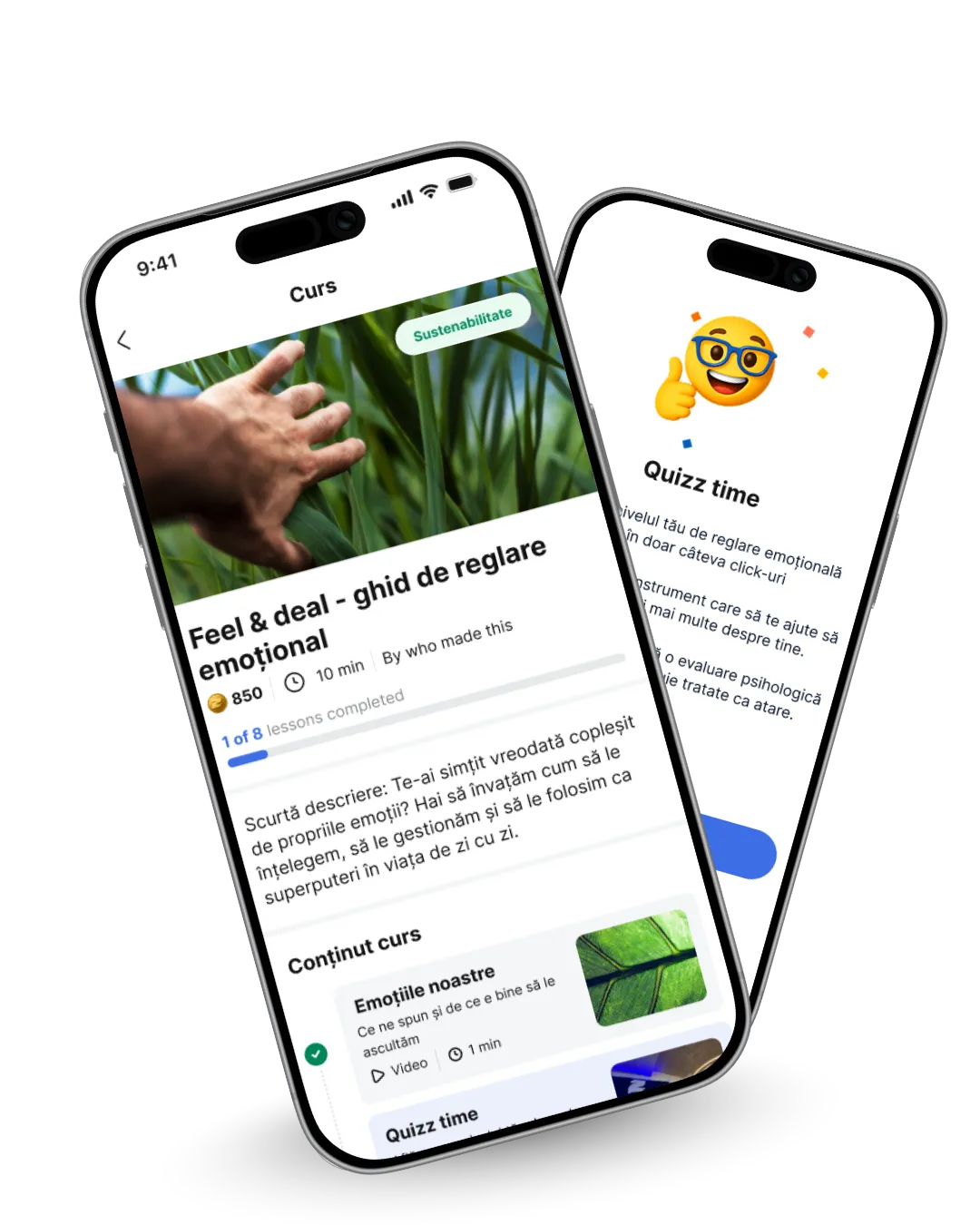
The Zbor mobile app now brings together interactive courses with short tests, a virtual shop that rewards participation through gamification, and daily events posted by hub admins that attract hundreds of participants each week. The Zbor Hubs team expressed strong appreciation for the collaboration, highlighting that the team acted as true partners in building products, not just service providers.
The product has now entered its maintenance phase, where Salt & Pepper continues to ensure performance optimisation, cloud scalability and new features that enhance the user experience.