
The challenge
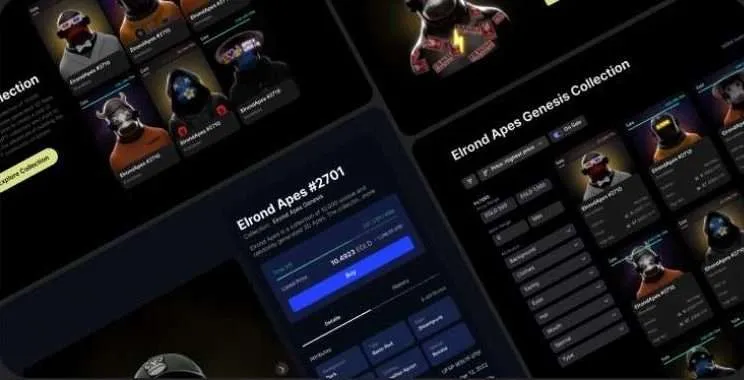
We delivered an MVP in under three months. Because the launch was urgent, we prioritised development and set milestones that guaranteed the launch without compromising the value or quality of the site builder, the NFT marketplace, events or the wallet.
Key challenges of the project:
- Offering the best experience for setting up a metaspace, made possible by regular meetings between design and front end.
- Bringing many moving parts together, alongside blockchain technology run as a separate SaaS project.
- QA across several applications at once, such as xPortal, the MultiversX API and xSpotlight.
The process
The collaboration between Salt & Pepper’s designers and developers shaped the platform’s success. Besides structuring the project, the designers maintained and improved the existing design system, and worked closely with the client and lead designer on user flows that exceeded stakeholder expectations.
In development, the team took an agile approach, adapting to continuous change in real time. Polished Figma screens and flows served as the blueprint, with daily meetings keeping everyone aligned, and ad hoc sessions with key stakeholders, sometimes several a day, fine-tuned the UI and the business logic.
UI/UX design process
- Support for Development Designers streamlined communication with the development team and were always available for support, beyond setting up the way of working and the structure.
- Design System The design team not only preserved the existing design system but improved it, keeping it relevant and effective.
- Design Flows The design team crafted and validated user flows, with the client and the project’s lead designer, for a design that met every objective and exceeded stakeholders’ expectations.
- Stakeholder Management The design team structured operations: designing workflows, running audits and optimising communication with the development team.
Development process
The web application took shape through an agile approach, able to adapt to constant change. Requirements came from polished Figma screens and flows and from daily meetings. One official meeting a day kept the environment developer-centric, with ad hoc meetings with key stakeholders, sometimes more than once a day, for the UI and the right business logic.
- Proof of Concept Validation Validation came through constant communication with the client, who gave expert feedback and relayed user feedback from across their ecosystem, with adaptability as the key.
- System Architecture Design A Next.js front end gives fast, SEO-friendly pages, and a modular Express.js monolith with a RESTful architecture powers the back end.
- Development The application relied heavily on the front-end website builder. The back end’s main jobs were persisting what users built, the authentication layer and domain setup.
- Cloud Infrastructure Setup DigitalOcean was the main cloud provider, with AWS for redundancy. Kubernetes, RabbitMQ, PostgreSQL and Jenkins were the main tools powering the application.
- Extensive QA and Stress Testing The app was tested thoroughly on desktop and mobile, across the major operating systems and the top five browsers. Stress testing covered the API, the back end and in-app scenarios, for new and existing features.
- Agile Way of Working With Kanban, the team kept a continuous workflow and handled complex features in parallel, each member owning a feature, to meet the client’s evolving needs.
The outcome
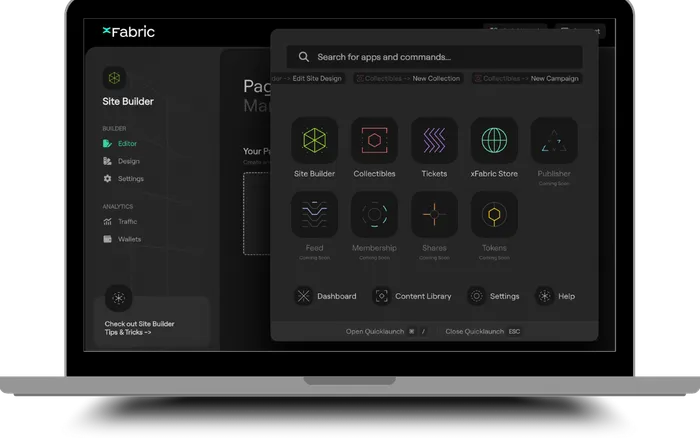
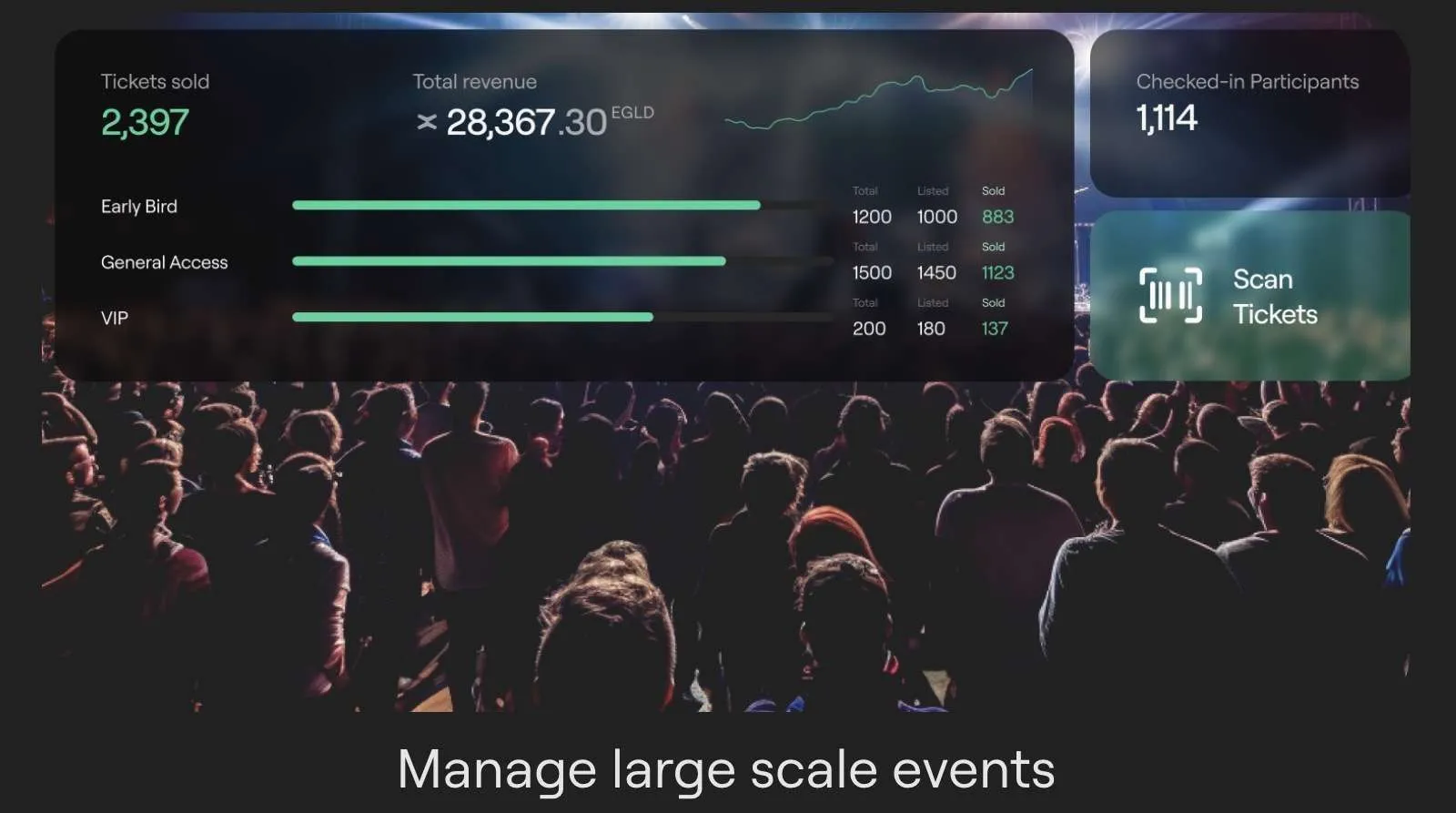
xFabric makes Web3 accessible. Built on a sovereign blockchain module, it lets users create tailored websites, from NFT marketplaces to professional showcases, with domain hosting, analytics, multimedia and SEO built in.
Despite the challenges, from optimising the experience to integrating several applications, the team delivered the MVP within three months. Daily collaboration between designers and developers kept the work adaptable to changing requirements and stakeholder feedback, and rigorous QA and a robust cloud infrastructure gave the platform a reliable foundation.